Key Takeaways
- Pediatric MRI injectors must deliver safe, precise doses with features suited for children.
- The contrast media injector should allow easy adjustments for pediatric dosing.
- Partnering with a trusted contrast injector service and contrast media supplier ensures safety and reliability.
- Using smart injector systems and automated injection systems improves patient outcomes and efficiency.
- Facilities that invest in pediatric-focused contrast injectors improve patient safety and community trust.
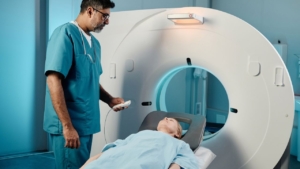
In magnetic resonance imaging, the right contrast media injector can make a big difference in patient care. For children, safety, comfort, and precision are even more important. The injector needs to deliver the right dose of contrast agent with accuracy while keeping the process stress-free.
Pediatric imaging uses lower contrast volume and smaller flow rates than adult scans. Choosing the wrong system can risk patient safety, cause adverse events, or affect patient outcomes. Facilities must look at injector design, safety features, and how well the system works with pediatric protocols.
Specialized Needs of Pediatric MRI
Children react differently to imaging procedures. They may be more anxious and sensitive to equipment noise. Pediatric MRI injectors should work quietly, with smooth delivery, and have safety features to avoid over-injection.
Some systems for contrast-enhanced magnetic resonance imaging use smart injector systems with pressure sensors and flow regulators. These features keep the injection safe, even if the child moves during the scan.
Contrast Agent Selection
The choice of gadolinium-based contrast agent is critical in pediatric imaging. Lower doses reduce the risk of gadolinium retention and nephrogenic systemic fibrosis, especially in children with renal impairment. The contrast media injector should allow precise dose adjustments to match the child’s weight and condition.
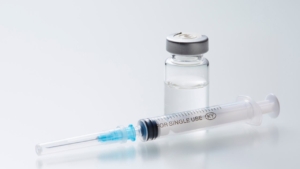
Facilities often use single-dose vials to limit contrast waste and cut pharmaceutical waste. This is also safer for children because it reduces contamination risks.
Technology and Safety Features
Modern MRI injectors have moved toward AI-powered injectors and automated injection systems. These can calculate the ideal contrast dose and adapt in real time. In pediatric care, this helps avoid over-pressurization and ensures contrast quality.
Features like smart connectivity can link the injector to imaging systems, logging all injection data. This supports better record-keeping for patient safety and quality control.
The Role of Contrast Injector Systems
Pediatric facilities often need contrast injector systems that can handle more than one imaging type. For example, an injector might be used for both MRI imaging and magnetic resonance angiography.
A good system should also work with Multidose contrast media injectors for high-volume centers, while still allowing careful control for small pediatric doses.
Training and Staff Expertise
Even the best contrast injectors need trained operators. Staff should understand pediatric dosing, safe handling of contrast agents, and monitoring for adverse events.
Partnerships with a strong contrast injector service provider ensure the system is always calibrated and ready for pediatric use. Preventive care for equipment helps avoid breakdowns during critical cases.
Preventing Adverse Events
Safety is the top priority in pediatric imaging. Proper injector choice and setup can prevent issues like infiltration or reaction to the contrast agent. Systems with real-time monitoring reduce risks by pausing injections if irregularities occur.
When paired with protocols from clinical trials and evidence-based pediatric dosing, these tools help improve patient outcomes.
Balancing Efficiency and Safety
While children require special care, facilities still need efficiency. MRI injectors that are quick to set up and easy to clean help reduce scan times and waiting periods.
Using automated injection systems with pre-set pediatric profiles allows faster preparation without compromising patient safety.
Supplier and Service Considerations
Choosing the right contrast media supplier is just as important as the injector itself. The supplier should provide pediatric-appropriate contrast agents, consumables, and training support.
A reliable supplier will also coordinate with your contrast injector service team to ensure consumables are always available and injectors stay in top condition.
The Impact on Patient Outcomes
Better injector technology, when matched with proper pediatric protocols, leads to high-resolution imaging and accurate diagnoses. This reduces the need for repeat scans and limits exposure to contrast-enhanced studies.
For families, this means less stress and more trust in the facility’s ability to deliver exceptional care. For providers, it means stronger results and a better community reputation.
Market Trends in Pediatric MRI Injectors
The market size for pediatric-focused MRI injectors is growing as facilities invest in specialized care. More systems now include features designed for small patients, from lower-pressure injection to quieter motors.
Manufacturers are also creating injectors that work across modalities, supporting both computed tomography and magnetic resonance without sacrificing pediatric safety.
Hitech Global Medical Services Co.: Supporting Pediatric Imaging Facilities
Hitech Global Medical Services Co. provides a full range of MRI injectors and contrast media injector solutions for pediatric use. We supply OEM-approved injectors, pediatric-compatible consumables, and comprehensive services through our contrast injector service team.
As a trusted contrast media supplier, we deliver fast, reliable orders with a focus on patient safety and patient care. Our team works with facilities to choose injectors that support pediatric protocols and maintain the highest quality standards.